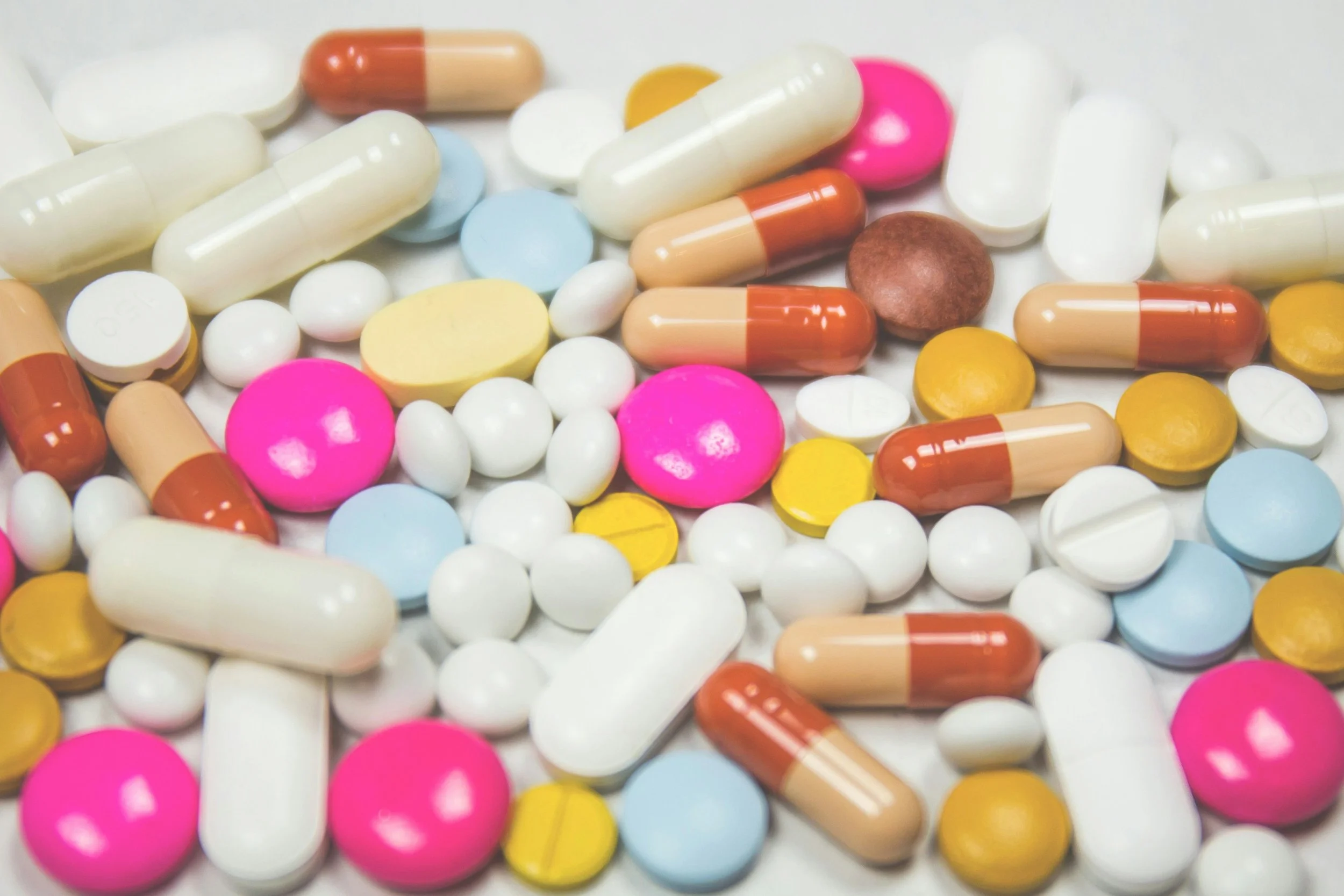
Are we on pharmaceutical autopilot?
I could have been quoted in this April 7, 2018 New York Times article about people who stay too long on their happy pills. And last week, when I heard a similar but much scarier cautionary tale on The Journal podcast, I decided to resurrect a more-vulnerable-than-usual blog I wrote seven years ago.
Out of fear (or shame), I had posted it only on Medium, where prospective clients would probably never find it. But secrecy and silence serve no one. We know that now better than ever.
So here is an updated—and no less truthful—version of the story. It’s about my long-term use of Zoloft, and what happened when I cut the cord.
Antidepressants were originally considered a short-term treatment for episodic mood problems, to be taken for six to nine months. Enough to get through a crisis, and no more. But, the NYT story said, “Some 15.5 million Americans have been taking the medications for at least five years. The rate [had] almost doubled since 2010, and more than tripled since 2000.” According to the WSJ: “Last year, there were 347 million antidepressant prescriptions written in the US alone.”
When I started taking a 50 mg daily dose of Zoloft, I had no history of depression. But I could be situationally anxious (as I still can be). I was a driven, over achiever with a streak of insecurity and fancy taste. I’d always done tricks for As in school. Later, I fell for narcissists and emotionally unavailable types. I lived in Manhattan and money was tight.
Just run-of-the mill stuff. Nothing crazy-crazy.
When the father of my then-six-year-old son decided to live elsewhere, I agreed to take the edge off. This was soon after we moved to a tiny rural town in Central New York where nobody was single and the sun never shined. Oh, and I was going through menopause at the time.
Instead of prescribing hormone replacement therapy, which would be more likely today, my gynecologist offered Zoloft for what she diagnosed as “anxious depression.”
For a girl who ate well, exercised, and was generally stable, even a small dose of Zoloft was a tough pill to swallow. And yet, that’s exactly what I did. Every day. For 10 years.
Every time I thought about stopping, there was always an excuse to stay on pharmaceutical autopilot. I was moving. Had a new job. Got a promotion. Another break up was on the horizon. Love was new. It was winter again. This went on for 10 years!
Perhaps I should have worried about withdrawal, but I never did. Was my fear subconscious? My dosage was so small. Also, I told myself that the drug was probably ineffective after all those years.
In 2019—a year after reading the NYT story and two years after starting my business—I finally was ready to quit. When I shared my plan with my primary care doctor, she suggested I leave well enough alone. But isn’t that what they all say?
So I read about “tapering” online. And I put myself on a two-month plan.
I reduced the Zoloft slowly, while also taking a a daily dose of CBD, which by then was easy enough to find in Colorado. I don’t know if the CBD helped, but within 60 days I was Zoloft free. Soon after, I also stopped the CBD.
Many people are not so lucky. Withdrawal can have extreme side effects. Though much of my familiar anxiety has come and gone, drug freedom has had a significant upside.
My creative energy returned. Around the time I started the Zoloft, I stopped writing and publishing short stories. My life was a bit of a wreck—sure—but in my experience, emotional trauma inspires words on the page. It doesn’t dry them up. After I quit the Zoloft, I started writing again.
I reconnected with my edges. If you’re a skier, you know that those long skinny strips of metal are what control our speed. Ease up, and they let us go fast. Dig in and we slow down or stop hard. Once we have the feel of the skis and the ground, we gain confidence. Life is that way too. When I’ve got my edge, I’m less likely to sugar-coat the truth. To myself or to you.
I found other tools. I still struggle. A lot. But I see a therapist. I try (and fail) to meditate. I listen to what my body says. Right now, it wants me to take it easier for a while. Leave my job. Replace my absent hormones. Let whatever is next emerge.
I’m no doctor, and I can only speak for myself. For millions of people around the world, mental illness is deep. And real. And chemical. But there also are many people who—enabled by doctors and prescription benefits and a few bucks of disposable income—may be on pharmaceutical autopilot.
If that’s you, maybe it’s time to take a break.